
Should I Sell My House Before or After I Move?

Dana Ehrlich
Los Angeles Homeselling Specialist · eXp Realty

If you're thinking about making a move — whether you're downsizing, relocating, or transitioning into a new chapter — there's a good chance this question has kept you up at night.
Should I sell my house first and then find somewhere to go? Or should I find my next place first and then sell?
It sounds like a simple question. But for most homeowners, especially those who've lived in their home for many years, the answer involves timing, finances, emotions, and market conditions all at once.
There's no single right answer. But there are smart ways to think through it — and knowing your options clearly can make the decision a lot easier.
Why This Decision Feels So Hard
For most homeowners 55 and older, this isn't just a financial calculation. Your home has a life attached to it. You raised a family here. You built something here. The idea of moving out before you know where you're going feels unsettling. The idea of committing to somewhere new before your home is sold feels risky.
Both feelings are completely understandable.
The good news is that in today's market, you have more flexibility than you might think — because there are real solutions designed specifically for this situation.
Option One: Sell First, Then Buy
Selling before you find your next place is the more traditional approach. You know exactly how much money you're walking away with. You're not carrying two properties at once. You're not stretched financially.
The trade-off is that once you close, you're on a timeline. You'll need somewhere to go — which might mean a short-term rental, staying with family, or a bridge situation while you search.
This approach works well when:
- You're flexible about where you're going and don't have a specific property in mind
- You're relocating out of the area and want to rent first and explore
- You want to free up equity before making your next decision
- A clean break feels emotionally right for you
The risk? If you sell and the right property doesn't appear on your timeline, you may feel pressured to settle.
Option Two: Buy First, Then Sell
Some homeowners want to find their next home first — and then list their current one once they've secured it.
The obvious advantage is continuity. You move once. You don't live in limbo. You know exactly where you're going before you leave.
The challenge is that unless you have significant savings or liquid assets, buying before selling typically requires financing your next home while still owning your current one — which isn't always straightforward.
This approach works well when:
- You have strong equity and solid financials
- You've found a specific property you don't want to lose
- Your next purchase is in a competitive market where timing matters
- Moving twice would be physically or logistically difficult
Option Three: Modern Bridge Solutions
Here's something a lot of homeowners don't know yet: there are programs specifically designed to solve this problem.
Bridge loans, seller-leaseback programs, and trade-in style services have become increasingly available in recent years. Depending on your situation, these programs can allow you to:
- Access your home equity before your current home closes
- Make a non-contingent offer on your next property
- Stay in your current home for a period after closing while you finalize your move
- Avoid the pressure of back-to-back closings
These aren't one-size-fits-all solutions, and the terms vary. But for the right homeowner, they remove the biggest source of stress from the entire process.
What Actually Drives the Decision
In my experience working with homeowners through major life transitions, the answer usually comes down to four things:
- Your financial cushion. If you have the reserves to carry two properties or fund a move without tapping home equity immediately, buying first becomes much more viable.
- Your destination. If you're staying in a familiar area and have flexibility on the specific property, selling first gives you more control. If you're targeting a specific community or property type in a competitive market, buying first may be worth the complexity.
- Your timeline. A hard move deadline — a lease starting, a family situation, a health consideration — often clarifies the decision quickly.
- Your tolerance for uncertainty. Some people are comfortable with a temporary rental and an open plan. Others need to know exactly where they're going before they can let go of where they've been. Both are valid.
What I Tell My Clients
Most of the homeowners I work with are navigating this question for the first time in decades. They haven't sold a home in 15, 20, sometimes 30 years. A lot has changed.
My approach is always to start with a conversation. Not a sales pitch — a real conversation about what matters most to you, what your financial picture looks like, and what the market is doing right now. From there, the right sequence usually becomes clear.
There is no universally correct order. But there is a right order for your situation — and figuring that out early saves a lot of stress.
The Bottom Line
If you're trying to decide whether to sell before or after you move, the most important step you can take right now is to get clear on your options before you make any decisions.
You don't have to figure this out alone. A one-hour strategy conversation can give you a complete picture of what's available to you — including programs that may make the whole transition smoother than you expected.
I'm happy to have that conversation with you.
Schedule a real estate strategy consultation at DanaEhrlich.com
Let's TalkKeep Reading
Related Articles

How Real Estate Agents Cut Admin Work, Not Production
Most agents lose the majority of every transaction to admin work. Here is a practical framework to cut administrative tasks, protect revenue-generating hours, and keep production strong without hiring a big team.
Read more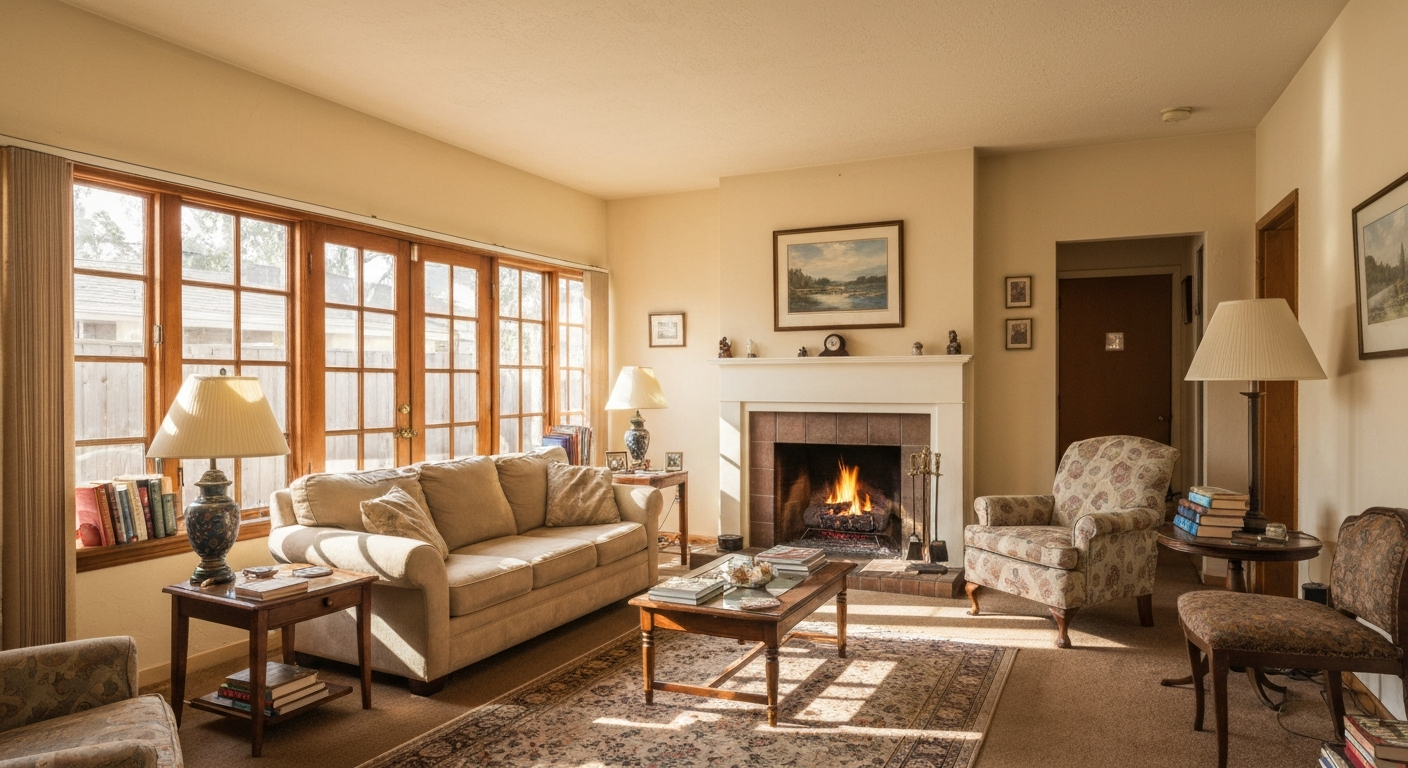
You've Lived Here 25+ Years. Here's How to Make Selling Feel Less Impossible.
If you've been thinking about selling your longtime Los Angeles home but don't know where to start, you're not alone. Here's what actually helps — and what to do first.
Read more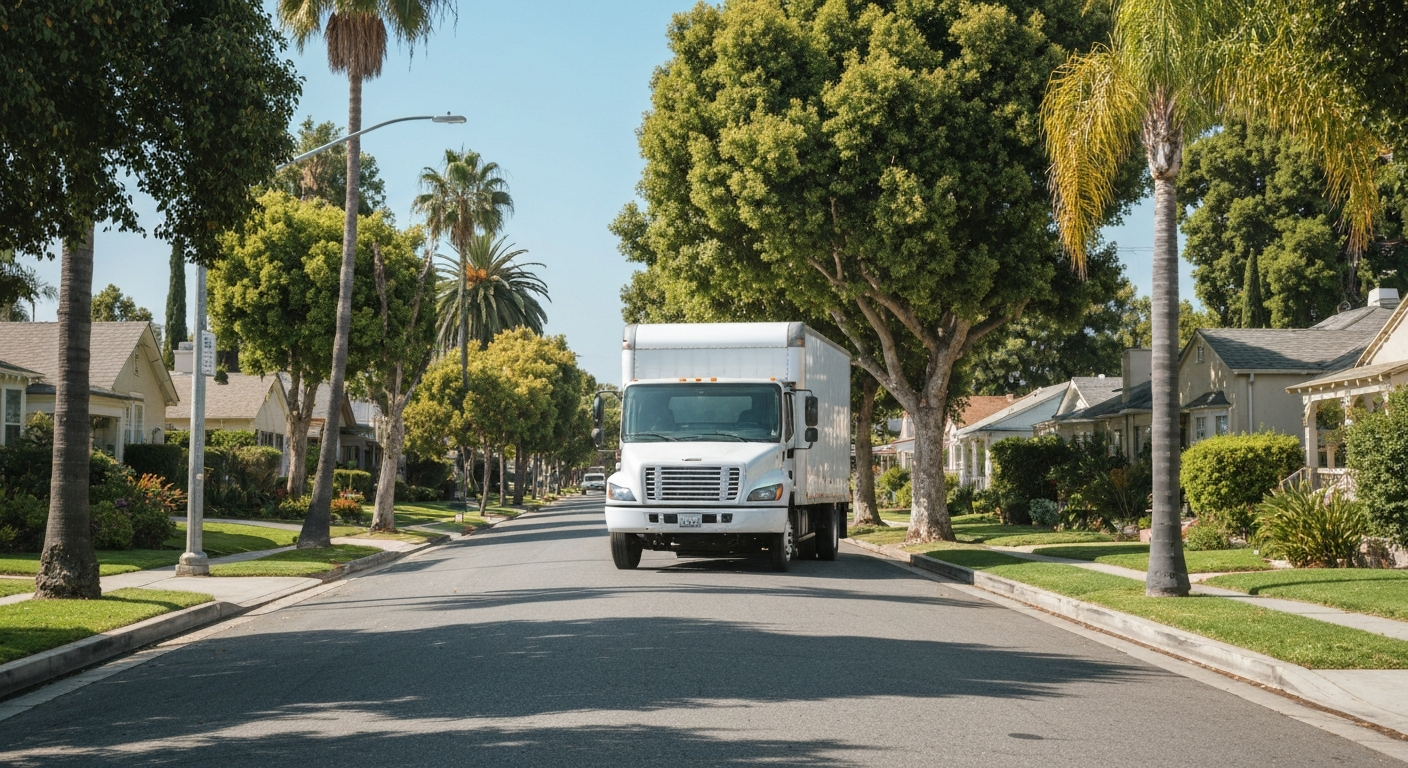
Long Time Los Angeles Residents Are Leaving... Where Are They Going?
Discover where long-time Los Angeles residents are moving when they leave LA, Burbank, and Sherman Oaks, and how to plan your own relocation strategy.
Read moreThinking About Your Next Move?
Whether you are staying in Los Angeles or heading out of state, let's build a timeline and strategy that works for you. No pressure, just a helpful conversation.
